
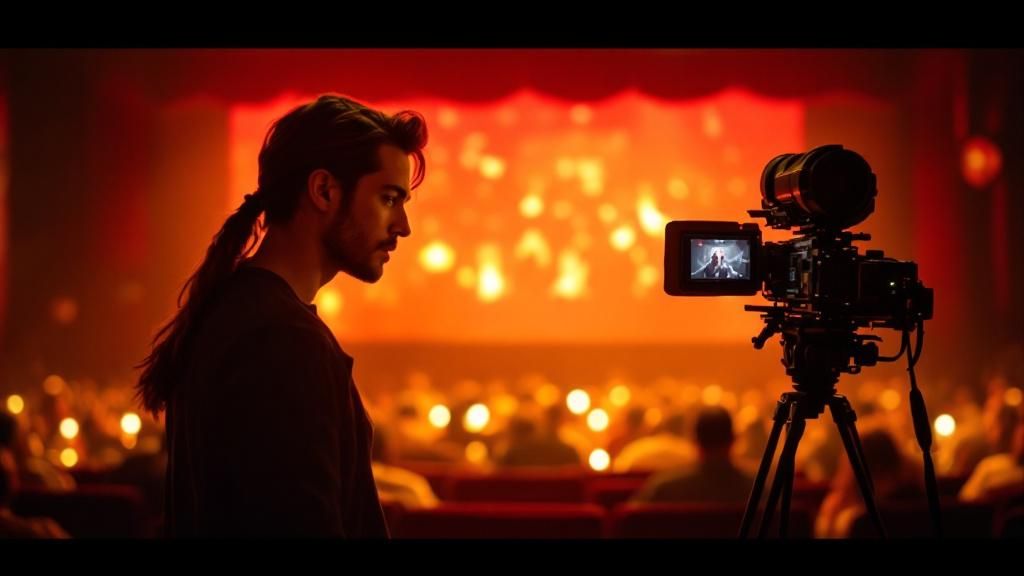
The theatre has experienced a significant transformation in the past few years, as cutting-edge cinematic techniques transform the way audiences engage with stories on stage. From immersive projection mapping and digital backdrops to advanced lighting systems and sound engineering, modern theatres are blending traditional stagecraft with contemporary visual technology. This article explores how these innovative approaches are redefining theatrical narratives, enhancing emotional resonance, and producing unforgettable experiences that dissolve the lines between cinema and live performance, ultimately transforming what audiences expect from theatre in the twenty-first century.
The Evolution of Visual Storytelling
The progression of stage narrative in theatre has witnessed significant change over the last hundred years. From modest origins with painted backdrops and candle-lit performance spaces, theatre performance has evolved into a complex blend of artistic disciplines. Early innovations brought in electric lighting and mechanised backdrops, dramatically reshaping how plots could be communicated. However, the genuine breakthrough emerged when theatrical artists began adopting cinematic principles, acknowledging that audiences’ expectations had shifted dramatically in the wake of film exposure.
Contemporary theatres now harness cutting-edge projection systems that would have seemed unfeasible mere decades earlier. Advanced mapping technology create dynamic, three-dimensional environments that react immediately to performers’ gestures and emotional moments. These visual enhancements surpass mere ornamentation, becoming integral narrative devices themselves. Directors employ these technologies to collapse temporal boundaries, shift locations seamlessly effortlessly, and visualise abstract concepts that traditional stagecraft cannot convey. The combination of live theatre with film-like accuracy has generated entirely new storytelling possibilities.
This transformation illustrates wider societal shifts in how viewers engage with content and enjoy entertainment. Modern digital audiences demand complex visual expression, whilst classical theatre enthusiasts appreciate the genuine live theatre that cinema cannot match. Contemporary theatre venues successfully navigate this dynamic, incorporating film-inspired methods to amplify audience emotion without compromising the incomparable dynamism of live performance. This collaboration between classical and contemporary has fundamentally redefined theatrical art for today’s theatre-goers.
Immersive Sound Design and Spatial Sound Technology
Modern theatre productions employ complex sonic technologies that go beyond traditional speaker-based sound. Spatial audio technology produces multidimensional acoustic environments, enabling audio to travel seamlessly around the auditorium, immersing spectators in immersive sonic spaces. This cutting-edge technique changes the way spectators experience narrative elements, rendering dialogue, music, and effects appear genuinely woven within the theatrical space rather than merely projected from speakers.
The incorporation of Dolby Atmos and comparable immersive sound technologies has become increasingly prevalent in contemporary theatres. These technologies enable sound designers to place sound components exactly within the performance space, including overhead channels that add remarkable depth. By leveraging these capabilities strategically, performances create emotional resonance that amplifies dramatic beats, sharpens comedic delivery, and creates environmental atmosphere in fashions standard stereo configurations cannot deliver.
- Three-dimensional sound places sound throughout immersive performance environments with precision.
- Dolby Atmos technology facilitates accurate overhead and directional sound placement.
- Immersive soundscapes strengthen emotional resonance between performers and audiences.
- Sound design enhances projected visuals for integrated sensory encounters.
- Sophisticated technology support intricate story elements via sonic narrative methods.
Theatre sound engineers now collaborate closely with directors and cinematographers to guarantee audio supports visual elements flawlessly. This cross-disciplinary collaboration understands that modern audiences expect cinematic-quality sound paired with refined theatrical presentation. Consequently, productions invest significantly in sound engineering, ensuring theatres feature proper technical systems for delivering engaging soundscapes that match cinema sound quality whilst preserving the spontaneity and genuine character fundamental to live theatrical performance.
Digital Projection and Colour Grading Development
Digital projection technology has profoundly changed theatrical presentations, enabling productions to display breathtaking visual narratives with remarkable precision and detail. Modern theatres now employ sophisticated projection technology capable of producing complex imagery, vibrant imagery, and fluid shifts that engage spectators from the start. This innovation in technology enables directors to craft engaging spaces that enhance live performances, converting performance spaces into dynamic canvases where cinematic storytelling merges effortlessly with stage conventions, enriching the complete storytelling journey.
Colour grading represents a essential innovation in contemporary theatrical design, offering technicians sophisticated tools to manipulate visual atmospheres and strengthen emotional impact. By methodically balancing hues, saturation levels, and contrast ratios, colour graders develop distinctive moods that resonate with narrative themes and character development. This careful method to colour management ensures that every scene maintains aesthetic harmony whilst producing specific emotional responses, allowing audiences to experience stories through a deliberately crafted visual language that amplifies dramatic tension and psychological depth throughout performances.
The merging of digital display technology and colour grading has significantly transformed viewer expectations regarding theatrical aesthetics and storytelling quality. Productions now utilise these techniques to generate visually stunning settings that rival cinematic experiences whilst retaining the irreplaceable vitality of live acting. This blend of traditional theatre and contemporary film techniques shows how technological progress can improve rather than diminish stage artistry, setting fresh benchmarks for immersive experiences that keep developing as technology progresses.
