
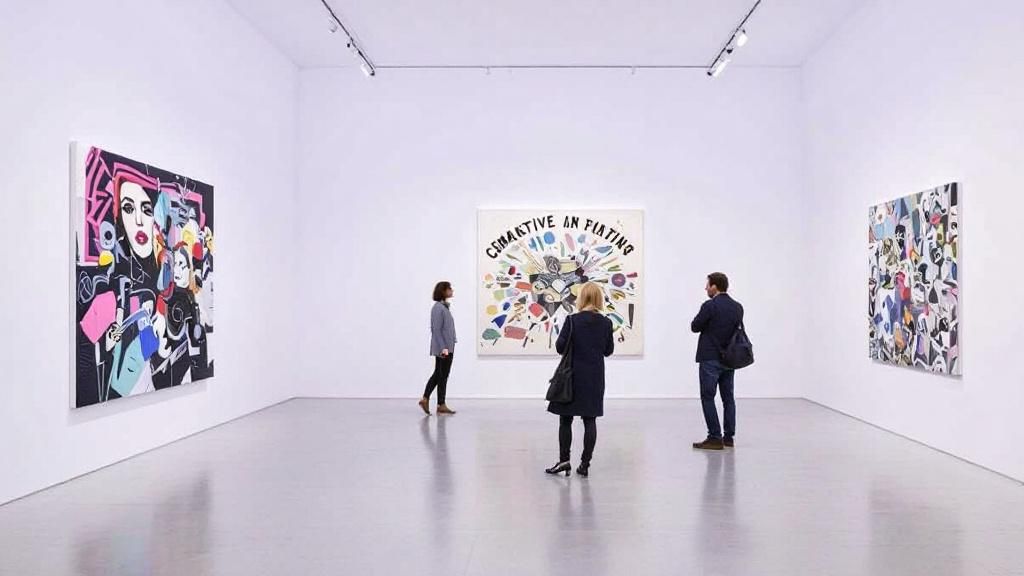
In a significant purchase that enhances its position as a foremost institution for contemporary art, Tate Modern has revealed the receipt of a substantial collection of concept-based works from a group of individual patrons. This munificent donation, comprising works spanning several decades, marks a pivotal moment for the institution’s acquisitions and is set to enhance wider appreciation of how conceptual art has evolved. The acquisition highlights the essential contribution individual sponsorship plays in safeguarding and advancing the nation’s artistic legacy.
The Takeover and Its Significance
This significant acquisition represents a defining point for Tate Modern’s curatorial vision and public interaction framework. The collection encompasses approximately eighty works produced during the 1960s and early 2000s, offering comprehensive insights into conceptual art’s development and philosophical foundations. By acquiring these works, Tate Modern enhances its ability to place contemporary art within wider historical frameworks, guaranteeing that future generations can engage meaningfully with this influential movement’s complexities and innovations.
The donation’s importance extends beyond mere numerical acquisition, reflecting shifting views towards institutional collecting and private patronage. These private donors have demonstrated exceptional commitment to public accessibility, ensuring that works previously held in private collections now benefit the general community. Their philanthropic contribution exemplifies how cooperative ties between collectors and cultural institutions foster enhanced inclusivity to art preservation, allowing Tate Modern to fulfil its learning objectives with greater scope and demonstrate the lasting significance of conceptual practices.
From a collection management perspective, the collection addresses notable gaps within Tate Modern’s current holdings, especially regarding underrepresented artistic practices and voices. Several works by leading women practitioners and global practitioners previously absent from the permanent collection now strengthen institutional representation. This acquisition therefore plays a significant role in ongoing efforts within British museums to address historical imbalances, advance varied viewpoints, and establish more equitable frameworks for understanding contemporary art’s complex terrain and cultural significance.
Impact on Public Gatherings
The introduction of these works substantially augments Tate Modern’s ability to support innovative programming and scholarly research. Museum experts can now produce more sophisticated exhibitions investigating conceptual art’s foundational theories, practices, and lasting influence on current artistic practice. Expanded collections enable curators to showcase layered interpretations previously constrained by limited resources, encouraging more profound public engagement for conceptual strategies and their ongoing significance to current artistic conversation and cultural debate.
Furthermore, broader holdings facilitate multi-disciplinary working between Tate Modern’s departments and independent scholars, researchers, and artistic practitioners. These partnerships generate new perspectives and contextual insights of collected artworks, enriching institutional knowledge whilst contributing to extensive academic dialogue. The collection’s incorporation within Tate Modern’s institutional systems bolsters British cultural organisations as vital research centres, illustrating how carefully planned purchases enhance both curatorial practice and scholarly inquiry within modern art scholarship.
Influence on Contemporary Art Curatorial Practice
This addition significantly alters Tate Modern’s curatorial approach, permitting the institution to present more comprehensive narratives of conceptual art’s development. The collection supports extensive investigation of creative movements that challenged traditional aesthetics and redefined creative practice across the 1900s. Strengthened collections bolster the gallery’s capacity to organise thematic shows and contextualise works against wider historical backgrounds, enhancing visitor experience and academic research possibilities considerably.
Building Institutional Archives
The donation greatly enhances Tate Modern’s representation of conceptual art, addressing previously identified gaps within the core collection. Previously marginalised artists and movements now gain proper recognition, enabling curators to construct more sophisticated historical narratives. This expansion enables the institution to challenge existing critical frameworks and offer competing viewpoints on canonical works, promoting rigorous scholarship and stimulating deeper engagement with the diverse dimensions of conceptual art.
Enhanced collection strength places Tate Modern to serve as the leading hub for conceptual art scholarship and display. The addition engages international researchers, curators, and artists looking to access substantial acquisitions. Expanded acquisitions facilitate joint partnerships with international institutions, fostering knowledge exchange and enhancing the UK’s cultural position within international contemporary art conversations and institutional networks.
- Enhances documentation of global artistic movements and practitioners
- Facilitates extensive thematic displays exploring artistic development and experimental approaches
- Facilitates academic inquiry through improved archival records and historical attribution records
- Promotes educational programming and community engagement with modern creative work
- Strengthens organisational standing within global curatorial and academic communities
Upcoming Exhibitions and Community Access
Tate Modern has begun planning an extensive programme of exhibitions to display the recently obtained works of conceptual art to the British and international audience. The gallery aims to display the body of work through a range of subject-focused presentations, commencing in fall 2024, which will investigate the theoretical basis and cultural relevance of conceptual art. These displays will be accompanied by detailed educational offerings, including lectures, workshops, and curatorial talks created to enhance audience interaction with these stimulating artworks.
Beyond temporary exhibitions, Tate Modern is committed to ensuring permanent public access to significant works from the collection through its ongoing gallery rotations and web-based channels. The institution recognises the value of broadening access to contemporary art, particularly pieces that question established aesthetic norms. By integrating these acquisitions into its gallery presentations and online resources, Tate Modern seeks to enable expanded intellectual engagement and encourage wider recognition for conceptual art’s lasting impact on modern artistic creation.
